RH
Menu

Research areas

Research

My research follows a common question across systems and science: how can complex systems represent information, make decisions, and remain robust? The areas below move from production-scale retrieval to physics-inspired computation, engineered quantum matter, and topological systems.

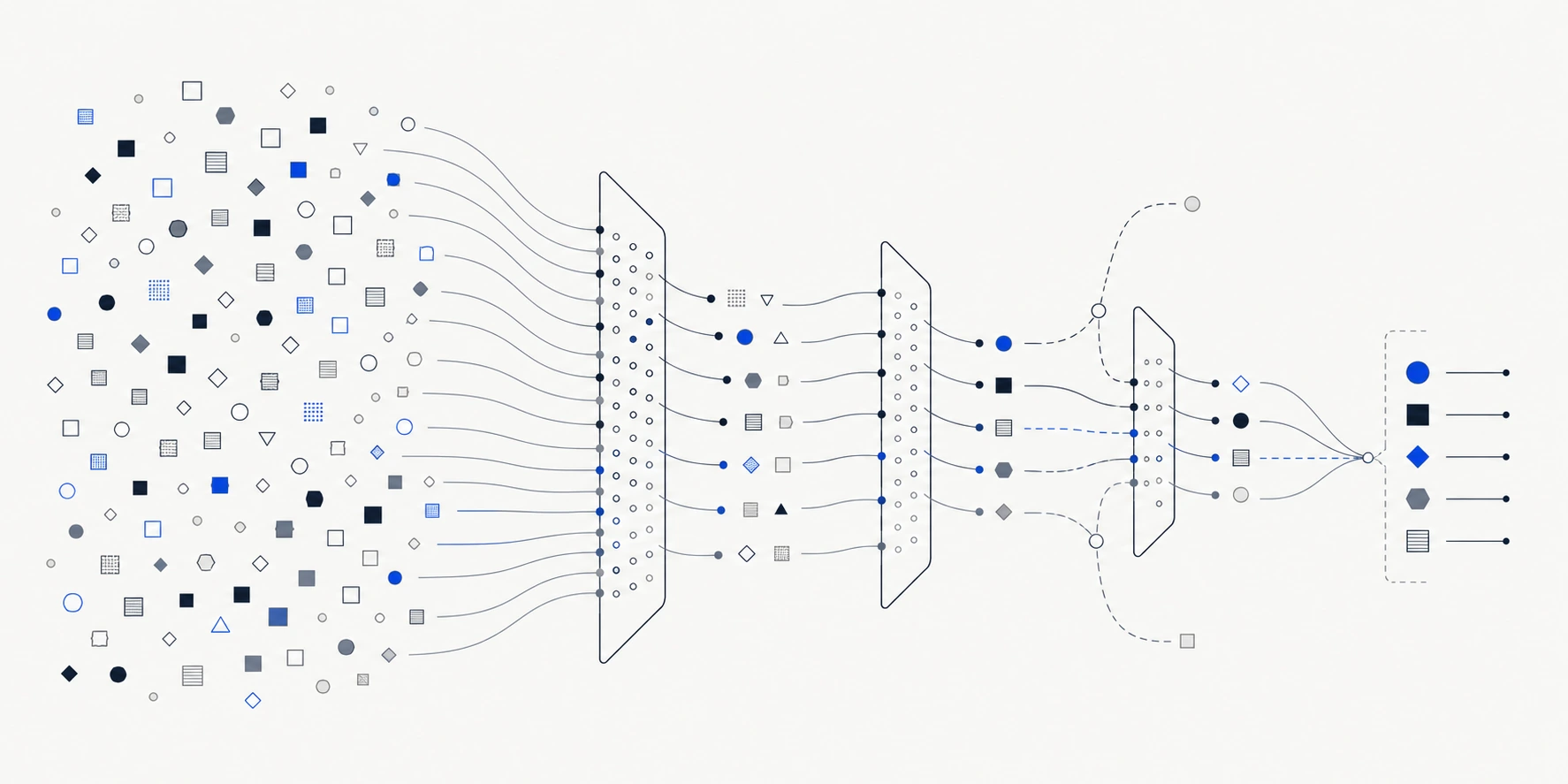
A large field of varied content nodes passing through a multi-stage retrieval system.

01 / AI Systems

Retrieval & Recommendation at Scale

Large-scale recommendation begins well before ranking: it depends on what a system retrieves, when it retrieves, and how efficiently it represents the corpus. My work develops production retrieval methods that combine multimodal representation learning, semantic identifiers, causal decision-making, and bias-aware exploration. The emphasis is on systems that remain measurable and dependable at web scale, from visual-shopping retrieval and cold-start discovery to generative recommendation and causal triggers.
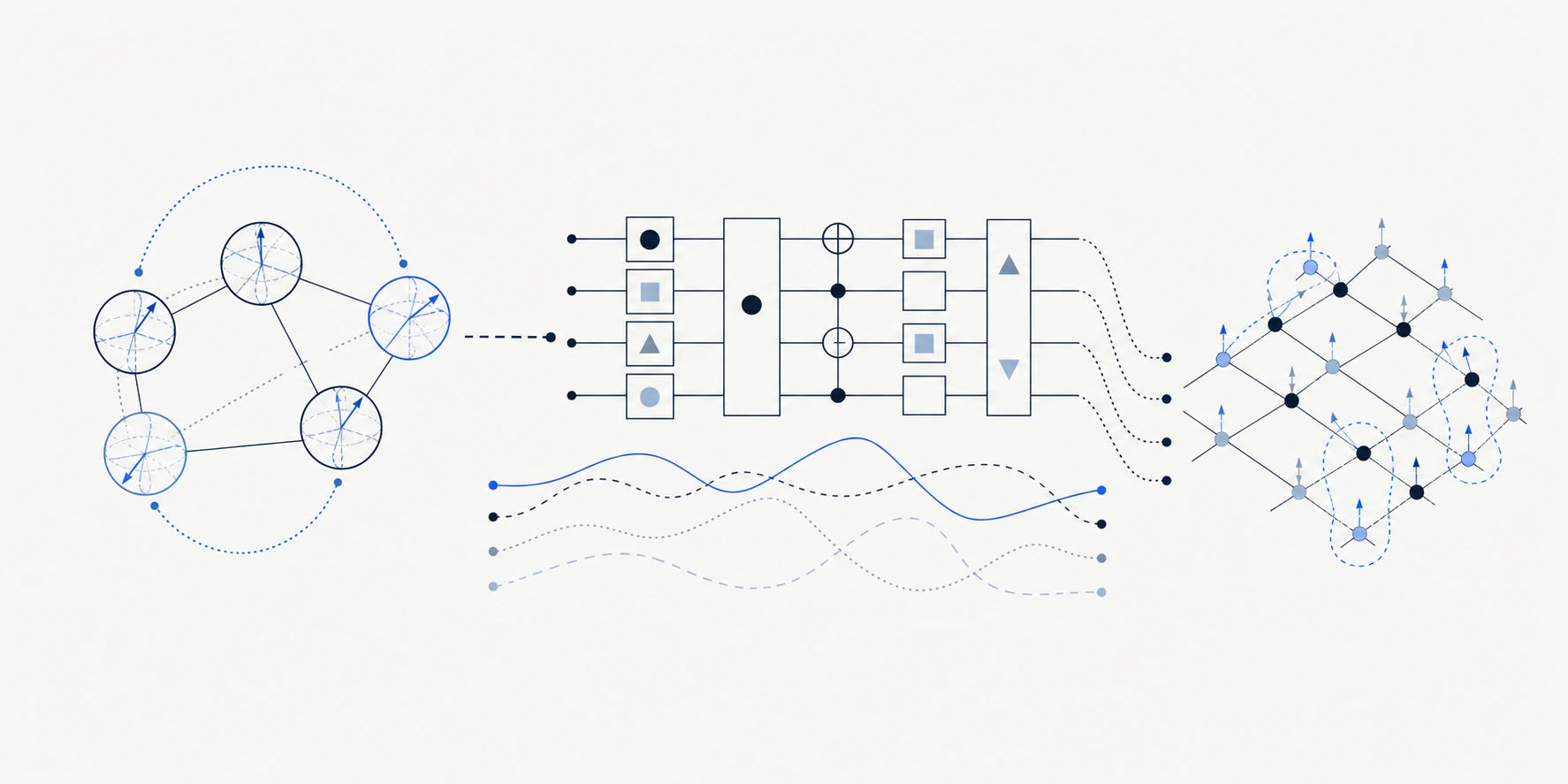
Coupled physical nodes, a hybrid computing sequence, and an Ising-like optimization lattice.

02 / Computational Physics

Physics-Inspired Intelligence & Optimization

Many hard computational problems can be understood as dynamical systems moving across structured energy landscapes. This research connects nonlinear physics, optimization, and machine learning by comparing physics- and quantum-inspired solvers (like oscillator and Ising), exploring hybrid quantum–classical neural components, and using physics-guided learning for inverse design. The common question is how physical structure can make computation more efficient, interpretable, and controllable.

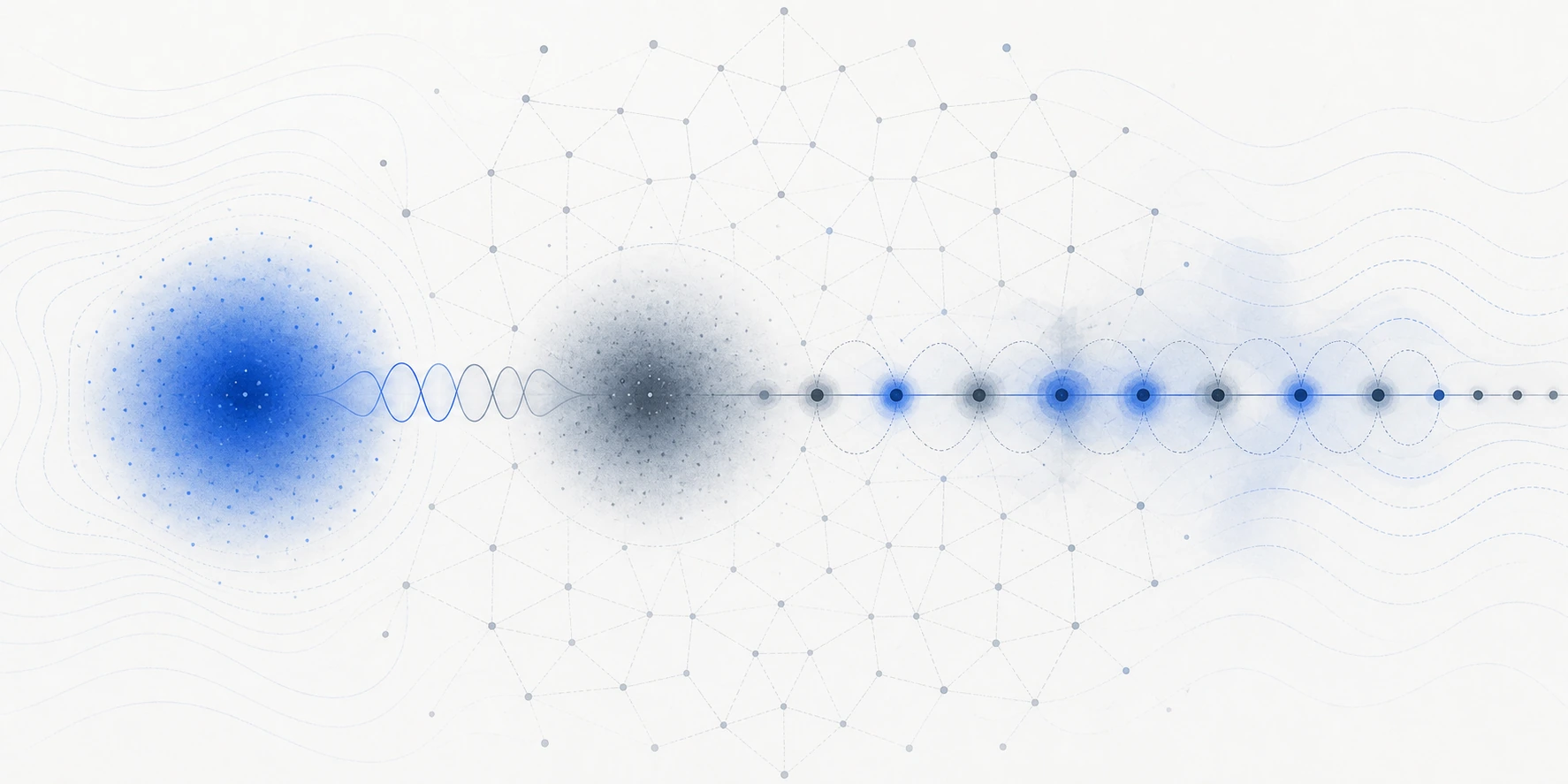
Two atomic probability clouds coupled to a synthetic lattice of momentum states.

03 / Quantum Matter

Synthetic Dimensions & Nonlinear Dynamics

Ultracold atoms make it possible to build and probe forms of matter whose geometry and dynamics are engineered rather than inherited. My research uses spin–orbit coupling, momentum-space tunneling, and synthetic lattices to study superfluid order, quantum transport, and interaction-driven dynamics. It spans superfluid quasicrystals, momentum-space Josephson junctions, long-lived stripe phases, one-way spin switching, and nonlinear evolution in momentum-state lattices.

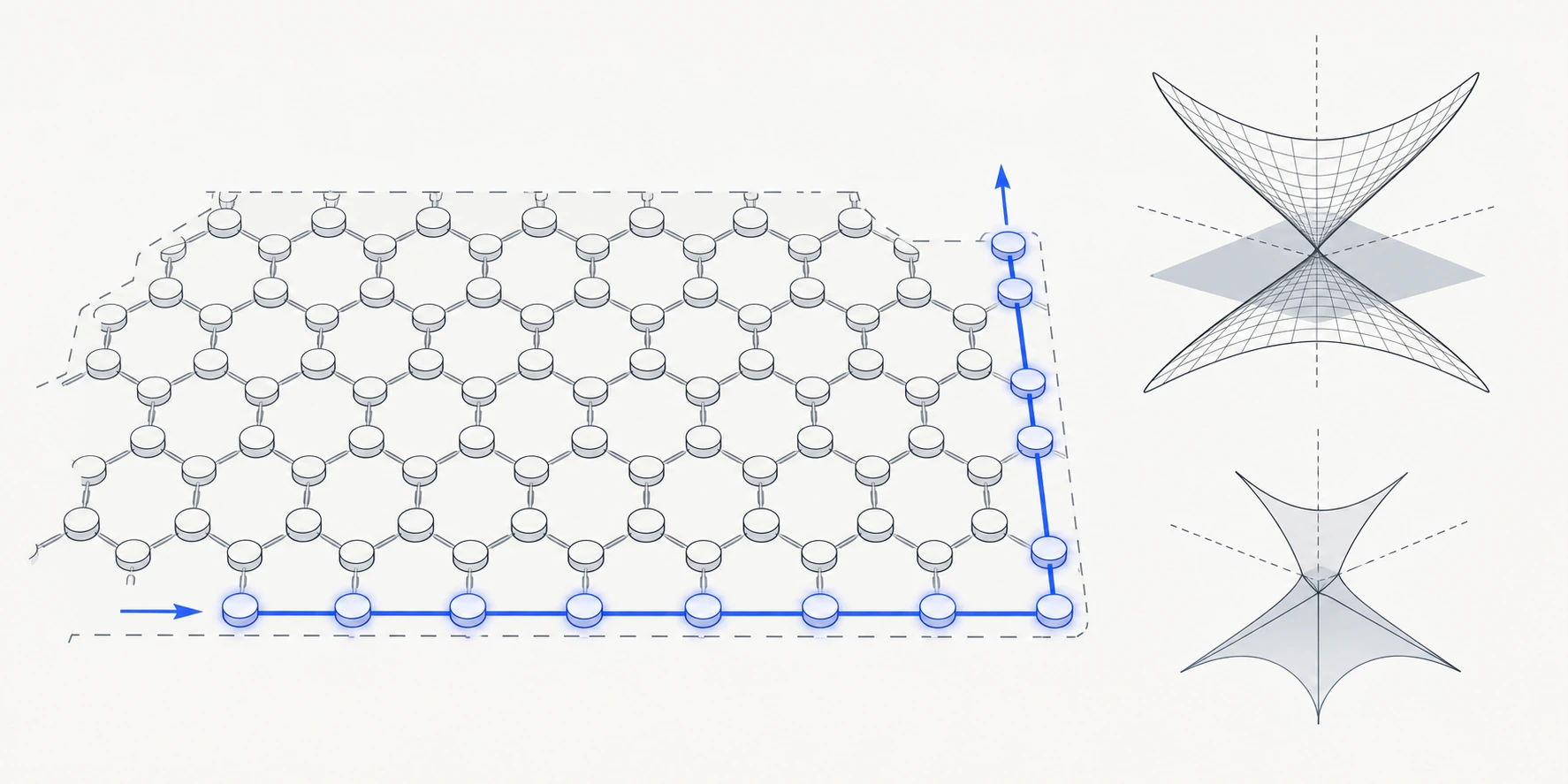
A photonic lattice with a protected blue boundary path and topological band geometry.

04 / Topology & Photonics

Topological & Non-Hermitian Systems

Topology provides a language for robust behavior that survives disorder and deformation; non-Hermitian physics extends it to open, amplifying, and lossy systems. My work develops models across quantum matter and photonics, including higher-order Majorana modes, spin-tensor topological phases, non-Hermitian hyperbolic media, and topological microlasers. These studies connect band structure and symmetry to observable edge (or corner, hinge), and lasing states.

The publication record provides paper titles, authorship, venues, and public distinctions.

View publications →